 Pin it
 My neighbor showed up one Saturday morning with a jar of sourdough starter and a question: what could she actually bake with it besides bread? I'd been sitting on my own discard for weeks, guilt-ridden about pouring it down the drain, so we decided to experiment together. Blueberries were on sale at the farmer's market, and I had three lemons taking up space in my fruit bowl. What emerged from that afternoon was something that felt less like a recipe and more like a happy accident—tender scones with the faintest tang underneath, bursting with berries that hadn't lost their brightness.
I made these for my daughter's friend group the morning after a sleepover, and watching them devour a whole batch while sprawled across the kitchen island—still in pajamas, mid-conversation about absolutely nothing important—taught me something about the quiet power of feeding people you care about. No fancy plating needed, just warmth and generosity on a plate.
Ingredients
- All-purpose flour (2 1/4 cups): The foundation that keeps these scones tender rather than dense; don't sift unless your flour is especially packed, and measure by spooning and leveling rather than scooping straight from the bag.
- Granulated sugar (1/4 cup): Just enough sweetness to let the fruit and lemon shine without overwhelming them.
- Baking powder and baking soda (1 tablespoon and 1/2 teaspoon): Together they create that light, crumbly texture and help the sourdough tang work in your favor instead of making the dough dense.
- Fine sea salt (1/2 teaspoon): Amplifies every other flavor, and fine crystals dissolve evenly throughout the dough.
- Lemon zest (from 1 large lemon): Use a microplane and you'll catch all those bright oils; box graters are fine but you might miss some of the magic.
- Cold unsalted butter (1/2 cup, cubed): Cold is non-negotiable here—it creates pockets that steam during baking and give scones their signature tender crumb.
- Sourdough discard (1 cup, at room temperature): Unfed discard works perfectly; the slight tang it brings is intentional and delicious, balancing the sweetness of berries.
- Heavy cream (1/4 cup, plus more for brushing): Creates richness and moisture; if you only have half-and-half, it'll work in a pinch but cream yields a more luxurious texture.
- Egg (1 large): Acts as binder and helps achieve that tender crumb structure.
- Vanilla extract (1 teaspoon): Pure vanilla matters here because imitation can taste sharp against the bright citrus.
- Lemon juice (2 tablespoons, freshly squeezed): Bottled juice tastes flat by comparison; fresh juice keeps that brightness alive all the way through baking.
- Fresh blueberries (1 cup): If frozen, use them straight from the freezer without thawing to prevent purple streaks throughout your dough.
- Coarse sugar (2 tablespoons, optional): Creates a subtle crunch on top and catches the light when they come out of the oven.
Tired of Takeout? 🥡
Get 10 meals you can make faster than delivery arrives. Seriously.
One email. No spam. Unsubscribe anytime.
Instructions
- Set the stage:
- Preheat your oven to 400°F and line a baking sheet with parchment paper; this matters because it prevents sticking and helps the bottoms brown evenly without burning.
- Build the dry foundation:
- In a large bowl, whisk together flour, sugar, baking powder, baking soda, salt, and lemon zest until everything is evenly distributed and you can smell that bright citrus. The zest particles should be visible throughout, not clumping in one corner.
- Incorporate the cold butter:
- Cut the cold butter into the flour mixture using a pastry blender or your fingertips, working quickly so the butter doesn't warm up; you're aiming for a texture like coarse breadcrumbs with some pea-sized pieces of butter still visible. This visible butter is what creates those tender, flaky layers.
- Prepare the wet base:
- In a separate bowl, whisk together sourdough discard, cream, egg, vanilla, and lemon juice until smooth and combined. You'll notice the mixture might smell slightly fermented and tangy, which is exactly right and nothing to worry about.
- Bring it together gently:
- Pour the wet mixture into the dry ingredients and stir with a wooden spoon or spatula until just combined; the moment everything comes together, stop stirring. Overworking this dough is the enemy of tenderness, so resist the urge to make it perfectly smooth.
- Fold in the berries:
- Using a soft folding motion, gently incorporate the blueberries, trying to keep them whole and evenly distributed. If using frozen berries, add them straight from the freezer to minimize any purple bleeding into the dough.
- Shape the dough:
- Turn the dough out onto a lightly floured surface and gently pat it into a 1-inch thick circle about 7 inches across; don't knead or work it, just shape it with light hands and a calm approach. The dough should feel soft and slightly shaggy, and that's perfect.
- Cut into wedges:
- Using a sharp knife or bench scraper, cut the circle into 8 wedges like you're slicing a pizza. Transfer each wedge to the prepared baking sheet, leaving about 2 inches between them so steam can escape and they bake evenly.
- Finish with shine:
- Brush the tops lightly with additional cream and sprinkle with coarse sugar if you're using it; this creates a subtle sweetness and crunch that catches the light when they emerge golden from the oven.
- Bake until golden:
- Bake for 18 to 22 minutes, until the scones are a deep golden brown on top and spring back slightly when you press the side of one gently. If your oven runs hot, check them closer to 18 minutes; if it runs cool, let them go a couple minutes longer.
- Cool and enjoy:
- Let them rest on the baking sheet for 5 minutes before transferring to a wire rack; this brief rest allows the structure to set so they don't fall apart when you pick them up. Eat them warm if possible, when the butter is still soft and the blueberries are at their juiciest.
 Pin it
 There's a moment, usually around 11 in the morning on a quiet day, when I smell those scones baking and remember why I started cooking in the first place. It's not about following steps perfectly or impressing anyone; it's about the small ritual of turning humble ingredients into something that brings people together, even if that's just me and a cup of tea.
The Magic of Sourdough Discard
Using sourdough discard in baking feels like a secret hack that seasoned bakers don't always talk about openly. The slight fermentation adds depth without making anything taste sour, and it creates a natural moisture that keeps these scones tender for a full day longer than they'd otherwise last. I started saving my discard specifically for situations like this instead of watching it go to waste, and it's genuinely changed how I approach my sourdough starter.
Why Fresh Lemon Matters Here
The difference between bottled and fresh lemon juice might seem small until you actually taste it side by side. Fresh juice brings brightness and complexity that bottled juice, sitting in its plastic container, simply can't replicate. My rule of thumb now is that if lemon is playing a starring role rather than a supporting one, I squeeze it by hand, and these scones are absolutely a starring role situation.
Storage and Variations
These scones are honestly best eaten within a few hours of baking, when they're still warm and the texture is at its peak. But life happens, and leftovers can be stored in an airtight container for up to two days, then gently warmed in a 300°F oven for a few minutes to restore some of that just-baked tenderness. If you want extra lemon punch, whisk together some powdered sugar and fresh lemon juice and drizzle it over the cooled scones, or try stirring a touch of cardamom into the dry ingredients for something subtly different.
- For a richer variation, add 2 tablespoons of mascarpone to the wet ingredients, which creates an almost pastry-like texture.
- If you don't have sourdough discard, buttermilk can substitute at the same ratio, though you'll lose the subtle tang that makes these special.
- Fresh raspberries or blackberries work beautifully in place of blueberries, especially if you reduce the lemon juice slightly since berries vary in their tartness.
 Pin it
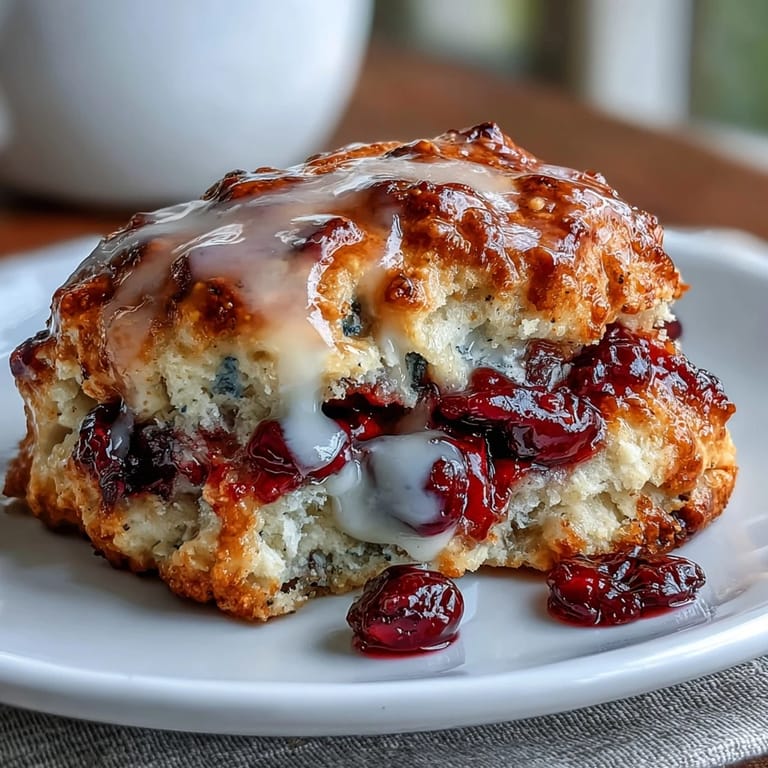
 There's something deeply satisfying about serving warm scones to people, watching them break one open and see the blueberries scattered throughout like little gifts. This recipe is one of those rare things that tastes like it took far more effort than it actually did, which feels like cheating in the best way possible.
Recipe FAQs
- → What makes sourdough discard beneficial in the dough?
Sourdough discard adds a gentle tang and helps create a tender crumb with subtle flavor complexity.
- → Can frozen blueberries be used directly in the dough?
Yes, fold frozen blueberries in straight from the freezer to prevent the dough from turning purple.
- → How can I enhance the lemon flavor?
Drizzle a simple lemon glaze made from powdered sugar and lemon juice after the baked goods cool.
- → What is the best way to achieve a crumbly texture?
Cut cold butter into dry ingredients until mixture resembles coarse crumbs before adding liquids.
- → How should these baked goods be stored?
Store in an airtight container for up to two days to maintain freshness and texture.