 Pin it
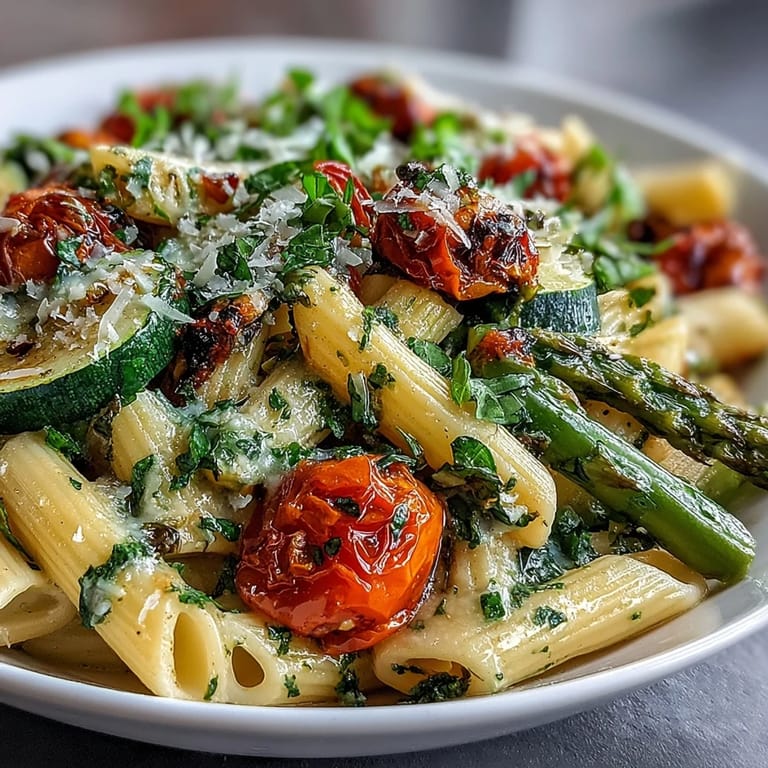
 The first time I stumbled into making a primavera was an impromptu dinner after a lazy Sunday at the farmer's market. There was a basket full of asparagus and tomatoes, and I found myself tossing them together with pasta, all while the smell of cut basil lingered on my hands. The kitchen window was open, and the air felt as fresh as the veggies. I hadn't planned anything fancy, just wanted something that tasted like spring on a plate. It turned out the kind of meal where every forkful felt bright and satisfying.
Once, I made this for a group of friends who gathered to celebrate the start of spring. We laughed about our questionable pea-chopping skills, and someone dropped half the basil on the floor—still, everyone agreed the dish tasted even better because we made it together. It’s a recipe with room for stories and improvisation, and the sound of sizzling veggies always sparks conversation.
Ingredients
- Pasta: Choose penne or farfalle; they hold the sauce and veggies beautifully, and don’t overcook them—al dente is key for some chew.
- Zucchini: Slice into half-moons so each piece cooks evenly without turning mushy; freshness really matters here.
- Yellow squash: Balances the green hues and offers a mellow sweetness—try to pick one that's small and firm.
- Asparagus: Trim well and cut into short pieces; those tender stalks taste best in spring and keep things crisp.
- Cherry tomatoes: Burst with flavor and provide juicy pops; halve them for quicker cooking.
- Red bell pepper: Thinly sliced so they soften but still add color and crunch; don’t skip these for their sweet bite.
- Peas: Fresh are perfect, but frozen work in a pinch—they add springy texture.
- Garlic: Mince well; it brings aroma and warmth without overpowering.
- Shallot: Adds a gentle, rounded savoriness and is more subtle than onion.
- Basil: Freshly chopped basil infuses the sauce with fragrant green notes; always add at the end.
- Parsley: Gives grassy brightness; chop finely for even distribution.
- Lemon zest: The zest wakes up all the flavors—be careful not to grate the bitter pith.
- Lemon juice: A splash of acidity ties it together; add just before serving.
- Olive oil: Use extra-virgin for rich flavor; drizzle some at the finish for gloss and depth.
- Parmesan cheese: Grated fine, it melts into the pasta; extra on top is always welcome.
- Salt and pepper: Season generously, tasting as you go so the flavors aren’t flat.
- Red pepper flakes: Optional, but a tiny pinch brings gentle heat without overpowering.
Tired of Takeout? 🥡
Get 10 meals you can make faster than delivery arrives. Seriously.
One email. No spam. Unsubscribe anytime.
Instructions
- Start the Pasta:
- Fill your largest pot with salted water, then bring it to a rolling boil. Cook pasta until just al dente, and don’t forget to save half a cup of that starchy water before draining.
- Sauté Aromatics:
- Heat olive oil in a wide skillet and add garlic and shallot—let them sizzle until their aroma fills the kitchen, only a minute or two.
- Cook the Veggies:
- Toss in zucchini, yellow squash, asparagus, and bell pepper. Stir occasionally, letting them soften but keeping a slight crunch, about 4-5 minutes.
- Add Tomatoes & Peas:
- When the veggies look bright, add cherry tomatoes and peas. Cook just until the tomatoes begin to break down—every ingredient should still be vivid and snappy.
- Combine Everything:
- Bring the drained pasta into the skillet, tossing gently until the colors mix and the pasta gets flecked with vegetables.
- Make It Lively:
- Stir in reserved pasta water, lemon zest, lemon juice, basil, and parsley; drizzle with more olive oil. Season well with salt, pepper, and red pepper flakes if you want a hint of heat.
- Finish with Cheese:
- Off the heat, fold in Parmesan cheese so it melts into creamy threads—serve right away, adding more cheese and herbs if you feel generous.
 Pin it
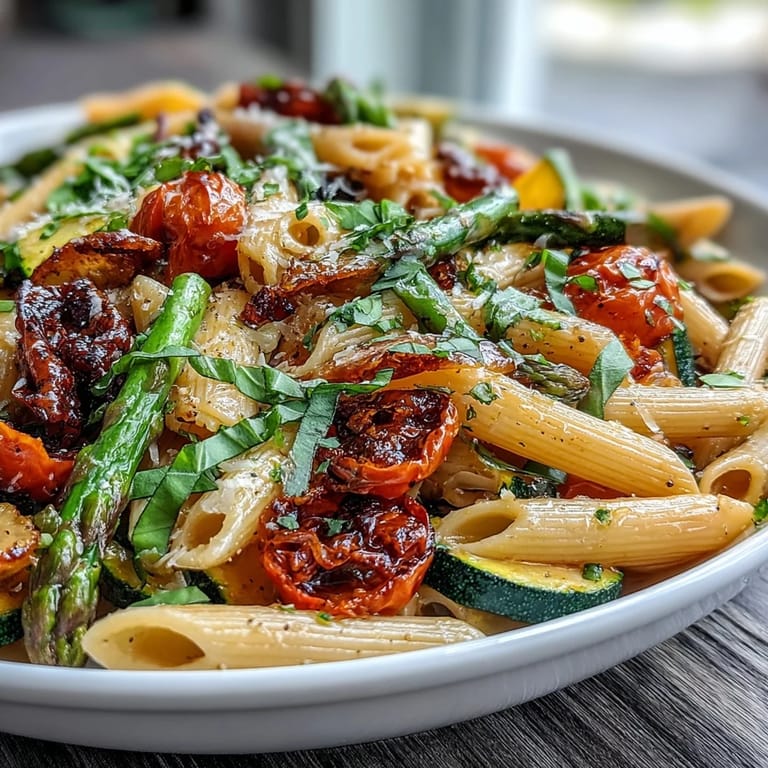
 After preparing this dish for my family on a rainy spring evening, everyone lingered by the table even after dinner was finished. The lingering lemon and basil scent seemed to keep the conversation flowing, and the pasta somehow held the warmth and brightness of the season—even as drops tapped quietly on the kitchen window.
Making the Most of Spring Veggies
Spring vegetables are so forgiving—sometimes I swap in snap peas or toss in baby spinach if I need to clear out the fridge. The crisp colors and flavors shine best when you avoid overcooking, so always check them early and add any especially tender greens near the end. Cooking with seasonal produce turned this simple recipe into a ritual for marking the change from winter’s dullness to lively green meals.
Getting the Pasta Texture Just Right
It’s tempting to let the pasta linger in the water, but pulling it at al dente is what keeps this recipe feeling fresh. I usually set a timer and taste a piece—more than once, just to be sure. The texture makes a world of difference for how it carries the vegetable sauce, and a splash of reserved cooking water works magic for silkiness. Tinker until you find the sweet spot for your favorite noodle.
Serving Suggestions and Last-Minute Fixes
If you’re looking to make it a full meal, pair with some crusty bread or a light salad. I sometimes pour a glass of chilled white wine to round out the flavors, and a dash more Parmesan never hurts. Don’t stress if you forgot an ingredient—almost any spring veggie plugs in well.
- If the pasta seems dry, add a touch more olive oil or reserved water.
- Toss in herbs right at the end for maximum aroma.
- Double-check seasoning before serving—salt makes all the flavors pop.
 Pin it
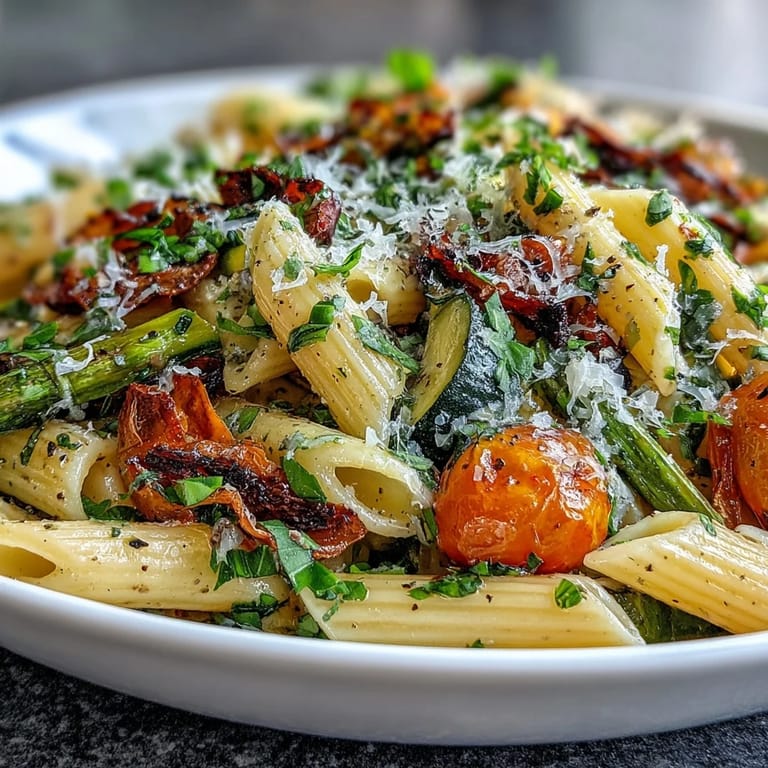
 Primavera is the kind of dish that invites creativity and easy conversation. Hope every forkful leaves you with a memory as fresh as spring itself.
Recipe FAQs
- → What type of pasta works best?
Penne or farfalle are ideal as their shape holds the vegetables and sauce well, but you can use any short pasta.
- → Can I substitute other vegetables?
Yes! Snap peas, baby spinach, or other spring vegetables make great additions or substitutes in this dish.
- → How do I make it vegan?
Simply omit the Parmesan or use a plant-based cheese alternative to maintain a dairy-free meal.
- → What herbs enhance the flavor?
Fresh basil and parsley add brightness and aroma, while a touch of lemon zest elevates freshness.
- → What wine pairs well?
Crisp white wines like Pinot Grigio or Sauvignon Blanc complement the light, herby flavors perfectly.
- → How can I adjust the spice level?
Add a pinch of red pepper flakes or freshly ground black pepper to tailor the heat to your preference.