 Pin it
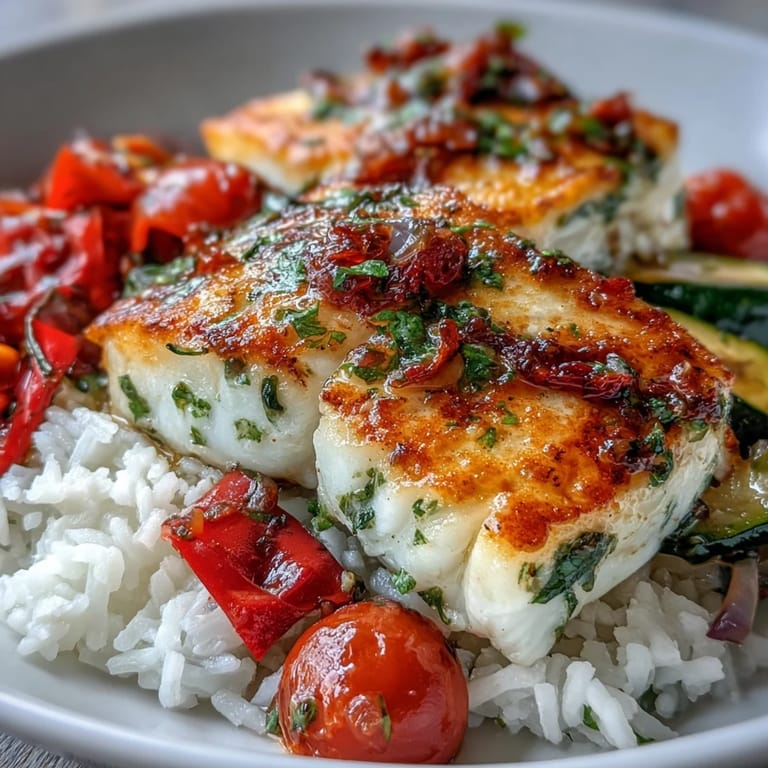
 There's something almost meditative about watching a fish fillet turn golden in a hot pan—that sizzle happens so fast you have to stay present or miss it entirely. I discovered this bowl on a Tuesday when I had leftover jasmine rice and a beautiful piece of halibut that needed cooking, and what started as meal prep became something I kept making for friends who showed up unannounced. The combination of crispy fish, tender vegetables, and that bright lemon butter sauce felt like eating something both nourishing and a little bit celebratory, which made it dangerous because suddenly I was making it three times a week.
I made this for my sister last spring when she was going through a phase of trying to eat lighter, and I remember her surprise when she realized how satisfying a bowl of fish and vegetables could actually be. She asked for the recipe immediately, which was funny because I'd never written it down—I just cooked it by feel, adjusting seasonings as I went. That moment made me realize this wasn't just a quick dinner, it was something people actually wanted to replicate in their own kitchens.
Ingredients
- Flaky white fish fillets (cod, halibut, or tilapia): Choose fish that's firm enough to handle a quick sear without falling apart; ask your fishmonger for fillets of even thickness so they cook uniformly.
- Jasmine or basmati rice: These varieties have a delicate flavor that complements the brightness of the lemon without overpowering the fish.
- Seasonal vegetables (zucchini, bell pepper, red onion, cherry tomatoes): The roasting caramelizes their natural sugars and brings out depths of flavor you won't get from raw vegetables.
- Olive oil: Use a good quality oil for drizzling and cooking; it makes a noticeable difference in taste.
- Unsalted butter and fresh lemon: These form the heart of the sauce, so don't skip either—the brightness cuts through the richness beautifully.
- Fresh parsley and smoked paprika: Small touches that add color and complexity without requiring extra effort.
Tired of Takeout? 🥡
Get 10 meals you can make faster than delivery arrives. Seriously.
One email. No spam. Unsubscribe anytime.
Instructions
- Get your oven ready and prep the vegetables:
- Preheat to 220°C (425°F), then toss your zucchini, bell pepper, onion, and tomatoes with olive oil, salt, pepper, and oregano. Spread everything out on a baking sheet in a single layer so they have room to caramelize rather than steam.
- Start the rice:
- Rinse your rice under cold water to remove excess starch. Combine with water and salt in a saucepan, bring to a boil, then lower the heat, cover, and let it simmer for 12-15 minutes until the water disappears completely. This timing is important—too long and it gets mushy, not long enough and you'll have crunchy grains.
- Get the vegetables roasting:
- Pop that baking sheet into the oven while your rice cooks. You want them tender with some caramelized edges, which should take about 18-20 minutes.
- Prepare the fish:
- Pat your fillets completely dry with paper towels—this is the secret to getting a proper golden crust. Season both sides generously with salt, pepper, and smoked paprika if you're using it.
- Sear the fish:
- Heat olive oil in your skillet over medium-high heat until it shimmers slightly, then add the fish and resist the urge to move it around. Let each side cook for 3-4 minutes until golden and cooked through, then transfer to a warm plate.
- Make the lemon sauce:
- In a small saucepan, melt butter over medium heat and add minced garlic, cooking just until fragrant—about 1 minute. Stir in lemon juice, zest, and fresh parsley, then season with salt and pepper to taste.
- Assemble the bowls:
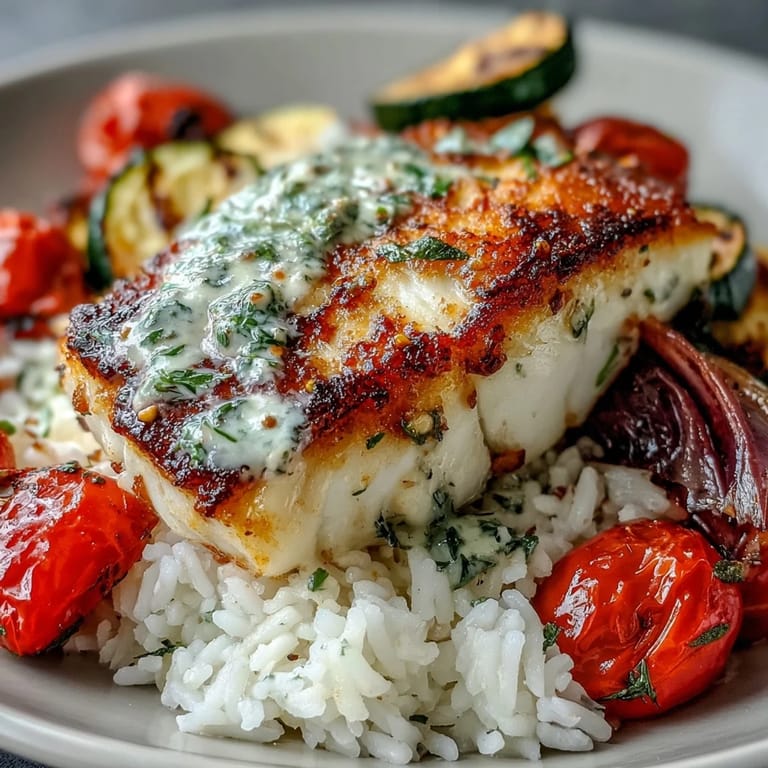
- Divide your fluffy rice among four bowls, top with roasted vegetables and a fish fillet, then drizzle generously with the warm lemon sauce.
 Pin it
 This bowl became the thing I made when I wanted to prove something to myself about cooking—that you didn't need complicated techniques or rare ingredients to make something restaurant-quality. My confidence in the kitchen grew every time I made it, and I started taking risks with it, trying different fish or throwing in whatever vegetables were on sale that week.
The Secret to Pan-Seared Fish
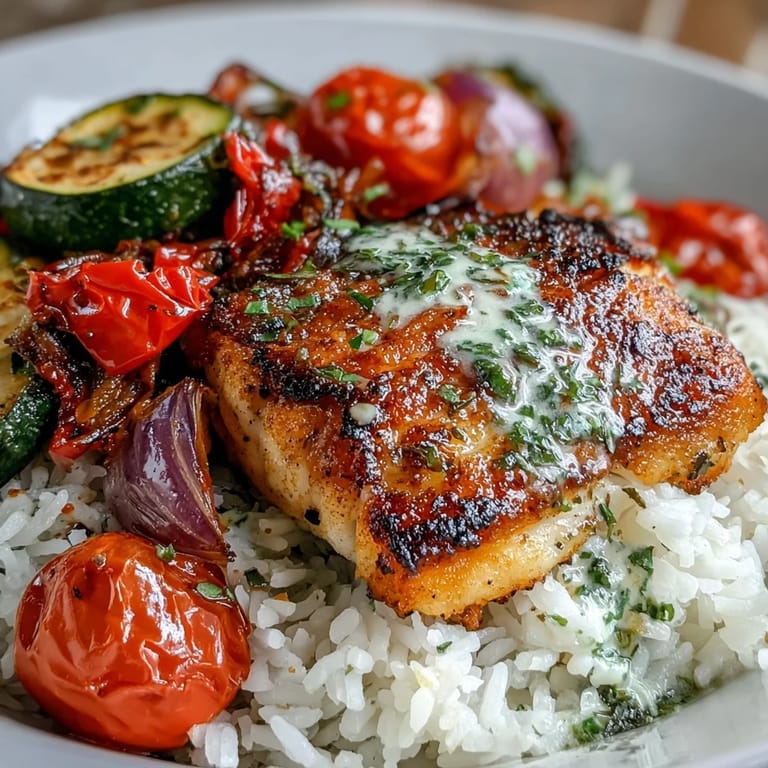
The difference between mediocre and excellent pan-seared fish comes down to temperature and timing, not luck or special talent. Your skillet needs to be hot enough that the oil shimmers when you add it, and your fillets need to stay still—resist the constant flipping urge. I used to fuss over my fish constantly, rotating it and checking underneath, which just prevented the crust from forming properly. Once I trusted the process and set a timer instead of hovering, everything changed. The fish developed this beautiful golden exterior while staying tender and moist inside, and suddenly I understood why people paid good money for fish prepared this way.
Building Flavor Through Roasting
Roasting vegetables might seem straightforward, but the magic happens when you give them space on the pan and don't stir them constantly. Those caramelized edges are concentrated flavor—sugars browning in the heat, creating depth that raw vegetables simply cannot offer. I learned to spread vegetables in a single layer rather than piling them, and to resist the temptation to check on them every few minutes. Even that small change in technique made the vegetables taste less like health food and more like something you'd actually want to eat. Now when I roast anything, I think about giving it real estate on the pan and leaving it alone to do its work.
Why Fresh Lemon Changes Everything
The lemon sauce is where this bowl goes from healthy to genuinely delicious, and it works because of brightness and acid cutting through richness. Fresh lemon juice and zest create a sauce that tastes alive rather than heavy, and it ties all the elements together instead of letting them feel like separate components on a plate. I experimented once with bottled lemon juice to save time and immediately regretted it—the sauce tasted flat and artificial. Now I always keep fresh lemons on hand because this one element transforms the entire eating experience.
- Zest the lemon before juicing it; once the fruit is cut, the zest becomes harder to remove and you'll lose some of that essential oil and flavor.
- Make the sauce right before serving so it's warm and the butter is glossy rather than congealing as it sits.
- If your lemon is very acidic or mild, adjust the amount slightly, tasting as you go—acidity varies seasonally and between varieties.
 Pin it
 This pan-seared fish bowl became my answer to the question of what to cook when I wanted something that felt both nourishing and indulgent. It's taught me that simple food done well is more satisfying than complicated food done halfway, and that's a lesson worth keeping close in the kitchen.
Recipe FAQs
- → What type of fish works best for this bowl?
Flaky white fish like cod, halibut, or tilapia are ideal. They hold up well to pan-searing and have a mild flavor that pairs beautifully with the lemon sauce and vegetables.
- → Can I prepare the components ahead?
Yes! Roast the vegetables and cook the rice up to 2 days in advance. Reheat gently while the fish cooks. The lemon sauce is best made fresh but can be prepared an hour ahead and kept at room temperature.
- → How do I know when the fish is done?
The fish is ready when it's opaque throughout and flakes easily with a fork. For fillets about 150g each, 3-4 minutes per side over medium-high heat typically achieves perfect doneness.
- → What vegetables can I substitute?
Any seasonal vegetables work wonderfully. Try eggplant, asparagus, broccoli, Brussels sprouts, or sweet potatoes. Adjust roasting times as needed for harder vegetables.
- → Is this suitable for meal prep?
Absolutely. Store components separately in airtight containers for up to 3 days. Reheat the fish and vegetables in the oven at 180°C to maintain texture, then warm the rice and assemble with fresh sauce.
- → How can I make this dairy-free?
Simply replace the butter in the lemon sauce with olive oil. The sauce will still be flavorful and velvety, just without the dairy component.