 Pin it
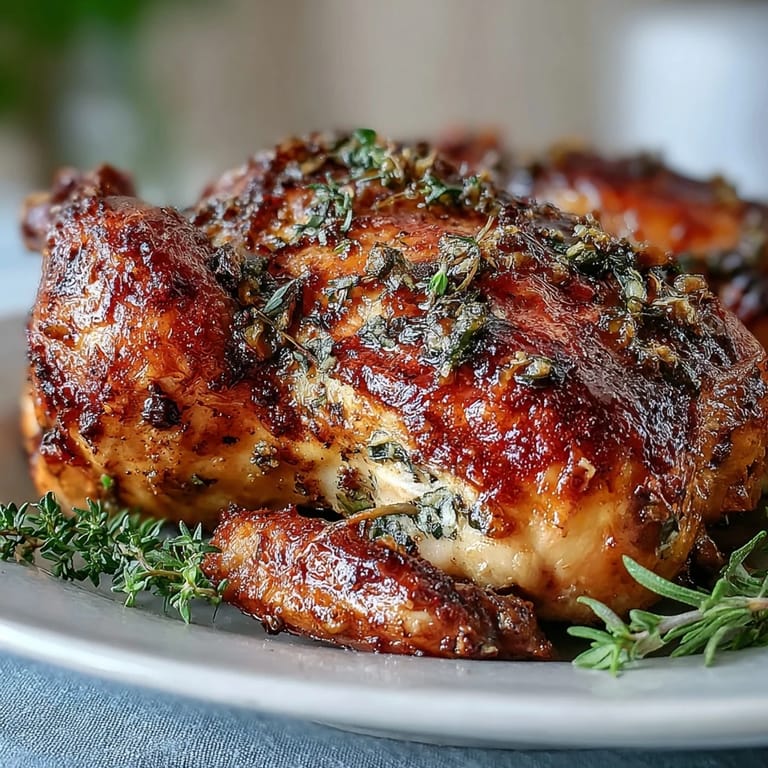
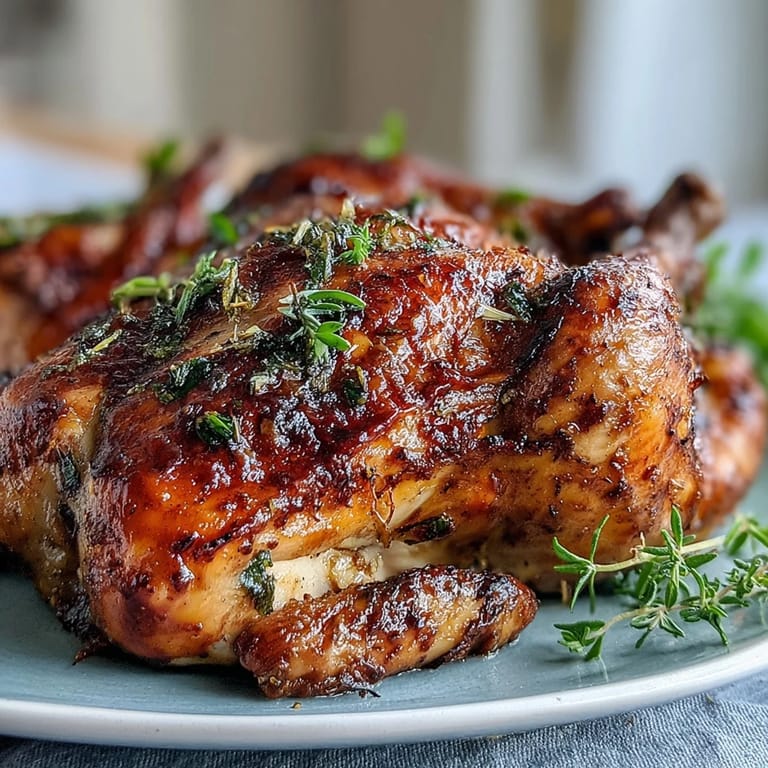
 There's something about the smell of a chicken roasting with lemon and herbs that pulls everyone into the kitchen whether they mean to come or not. My neighbor actually followed that aroma straight through my open door one Sunday afternoon, and by the time the bird was golden, she'd become my unofficial taste-tester for the whole meal. This dish arrived in my life during a season when I needed food that felt both elegant and genuinely comforting, the kind that doesn't pretend to be fancier than it is. The combination of buttery potatoes, tangy feta, and that bright herbaceous note is so naturally balanced it feels like it was always meant to be cooked this way.
I made this for my sister right after she'd moved into her first apartment with actual counter space, and watching her face when she realized she could actually host dinner was worth every minute of prep. She kept saying the feta was the secret, but honestly it's just the way everything comes together—the bird gets crispy while the potatoes steam themselves in all those pan juices and lemon. That dinner became one of those meals that gets referenced years later, which tells you something about how satisfying it really is.
Ingredients
- 1 whole chicken (about 1.5 kg or 3.3 lbs), patted dry: Patting it completely dry is the move that changes everything—it's what gives you that burnished golden skin instead of pale and steamed.
- 2 tbsp olive oil (for the herb mixture): Good quality oil makes a real difference here since you're tasting it directly, not cooking it into oblivion.
- 1 lemon, zested and quartered: Use a microplane for the zest so you get those bright oils rather than the bitter white pith underneath.
- 4 garlic cloves, smashed: Smashing them rather than mincing releases their perfume more gently, which is exactly what you want here.
- 1 tbsp fresh oregano, chopped (or 1 tsp dried): Fresh is better if you have it, but dried oregano is reliable and actually gets more concentrated in flavor.
- 1 tbsp fresh thyme leaves (or 1 tsp dried): Strip the leaves off the stems by running your thumb down the stalk—faster than you'd think and you won't have woody bits.
- 1 tsp salt and ½ tsp black pepper: This seasoning ratio is your baseline; taste as you go and adjust if your feta ends up being extra salty.
- 1 kg (2.2 lbs) small new potatoes, halved: Keep them roughly the same size so they cook evenly, and halving them lets them get crispy on the cut side.
- 100 g (3.5 oz) feta cheese, crumbled: Crumble it just before serving so it stays chunky and doesn't dissolve into the hot pan juices.
- 2 tbsp fresh dill or parsley, chopped: Either one works beautifully; dill adds an unexpected anise note that somehow works perfectly with everything else.
Tired of Takeout? 🥡
Get 10 meals you can make faster than delivery arrives. Seriously.
One email. No spam. Unsubscribe anytime.
Instructions
- Get your oven ready and prep the bird:
- Preheat to 200°C (400°F) while you pat your chicken completely dry with paper towels—this step genuinely matters for crispy skin. In a small bowl, mix together the olive oil, lemon zest, chopped herbs, salt, and pepper until you have a paste-like consistency.
- Season inside and out:
- Rub that herb mixture all over the chicken, getting it under the skin if you can and making sure to coat the cavity too. Stuff the inside with the lemon quarters and smashed garlic cloves, which will steam the bird from the inside and flavor everything gently.
- Arrange everything in the pan:
- Place the chicken breast-side up in your roasting pan, then scatter the halved potatoes all around it. Drizzle the potatoes with their olive oil and season with salt and pepper, tossing them gently so they're all coated in that savory coating.
- Begin the roast:
- Put it all in the oven and roast for about an hour, basting the chicken and potatoes with the pan juices once or twice—this keeps everything moist and browns everything beautifully. If the potatoes start browning too quickly, just lay a loose piece of foil over them.
- Check for doneness:
- The chicken is ready when an instant-read thermometer inserted into the thickest part of the thigh reads 75°C (165°F). If you're not quite there, give it another 10 to 15 minutes and check again.
- Rest and finish:
- Let the chicken rest in the pan for 10 minutes before carving—this lets the juices redistribute so everything stays juicy when you slice it. Sprinkle the crumbled feta and fresh herbs over everything, squeeze some fresh lemon over the top, and serve with extra lemon wedges on the side.
 Pin it
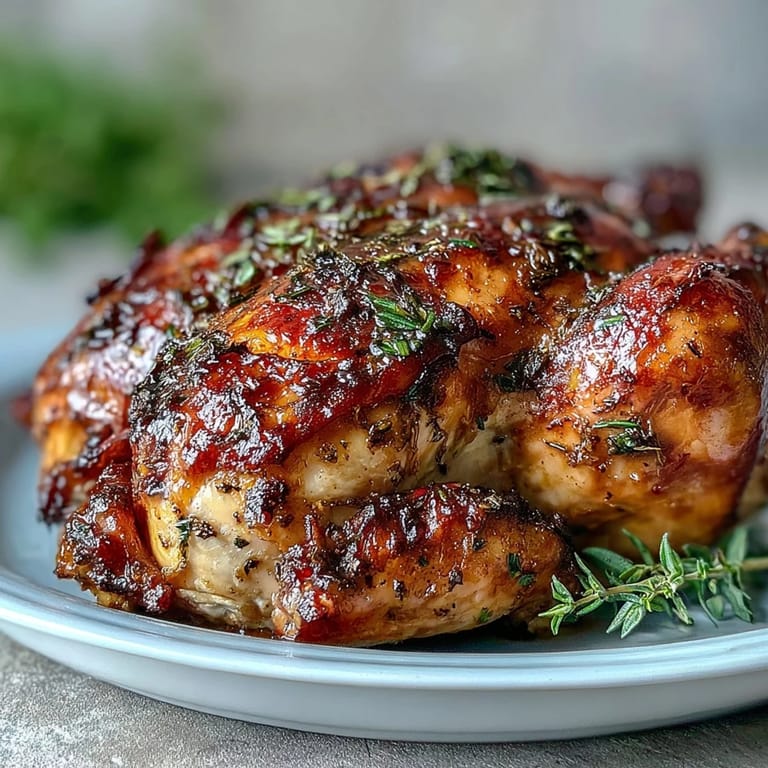
 This became the dish I make when I want someone to feel genuinely cared for, because there's something about roasted chicken that says I took the time to do this properly. The feta at the end does something almost magical—it's not heavy, it's just this salty creamy counterpoint to everything bright and herby that came before it.
Why the Pan Juices Are Liquid Gold
The magic in this dish isn't hiding in the ingredients list—it's in that roasting pan at the end, where all the chicken fat, herb essence, and potato starch have combined into something you actually want to spoon over everything. I learned this the hard way by making the mistake of draining the pan once, and it was the last time I made that particular error. Those pan juices are what tie the whole meal together and make the potatoes taste like something you've been dreaming about.
Playing with Timing and Temperature
One thing I discovered is that you can actually marinate the chicken in that herb mixture for up to two hours before roasting if you have the time, which deepens the flavor considerably. The temperature matters too—200°C is hot enough to get you that golden skin in a reasonable amount of time without drying out the meat. If your oven runs cool, you might need to add those extra 15 minutes, so getting familiar with how your own oven behaves is worth paying attention to.
Variations That Actually Work
This recipe is flexible in a way that makes it feel more like a framework than a rigid formula, which is how the best dishes actually work. You can swap baby Yukon Gold or fingerling potatoes if that's what you have, or add some briny olives or capers for a different angle. If you want to get a little more creative, try roasting some sliced red onions alongside the potatoes, or add a handful of cherry tomatoes in the last 20 minutes of cooking.
- A crisp Sauvignon Blanc or Pinot Grigio pairs so naturally with this that it almost feels essential to have a glass while you're cooking.
- Leftovers shred beautifully and work wonderfully in salads the next day if you somehow have any left.
- You can prep everything the morning of and just pop it in the oven when guests are about to arrive.
 Pin it
 This is one of those dishes that reminds you why we cook for people in the first place. It's the kind of meal that brings everyone to the table and somehow makes an ordinary Sunday feel like something worth remembering.
Recipe FAQs
- → How do I know when the chicken is done?
Insert a meat thermometer into the thickest part of the thigh, avoiding bone. The internal temperature should reach 75°C (165°F). The juices should run clear when you pierce the thigh, and the legs should wiggle freely in their joints.
- → Can I use chicken pieces instead of a whole bird?
Absolutely. Use 8-10 chicken pieces (thighs, drumsticks, breasts). Reduce cooking time to 35-45 minutes, arranging pieces in a single layer. Bone-in, skin-on pieces will yield the best flavor and texture.
- → What potatoes work best for this dish?
Small new potatoes or baby Yukon Golds are ideal because they hold their shape during roasting. Their thin skins don't need peeling, and their waxy texture becomes perfectly buttery. Avoid russets as they may become too soft.
- → Can I make this ahead of time?
You can rub the chicken with the herb mixture and refrigerate up to 24 hours before cooking. The dish is best served fresh, but leftovers reheat beautifully at 180°C (350°F) for 15-20 minutes.
- → What can I substitute for feta cheese?
Try goat cheese (chèvre) for similar tanginess, halloumi for a saltier option, or aged Parmesan for a nutty finish. For dairy-free, omit cheese entirely or add olives for briny depth.
- → Should I cover the chicken while roasting?
No need to cover. Roasting uncovered creates crispy, golden skin. Only cover loosely with foil if the potatoes or chicken skin brown too quickly before the meat is cooked through.